Our programs
discover our programs
Unique experiences designed to conect you with the best of Ecuador.
Nature, culture, adventure and unforgettable memories.
adventure
9 ISLANDS
San Cristobal, Santa Cruz, Isabela, Pinzón, Santa Fe, Pinzón, Floreana, Bartolomé, Kiker Rock, Plazas Island
altitude
0 m
duration
15 days 14 night
group size
2 - 12 people
difficulty
Easy / Moderate
safety travel
Your safety is our priority.
best price
Competitive prices and no hideen fees.
24/7 support
We are here to help you anytime.
responsible tourism
We respect nature and local communities.
adventure
9 ISLANDS SANTA CRUZ – PINZON – FLOREANA - ISABELA – SEYMUR NORTE SAN CRISTOBAL - KICKER ROCK – BARTOLOME – PLAZAS ISLAND
8 days / 7 nights
altitude
0 m
duration
15 days 14 night
group size
2 - 12 people
difficulty
Easy / Moderate
Galapagos island
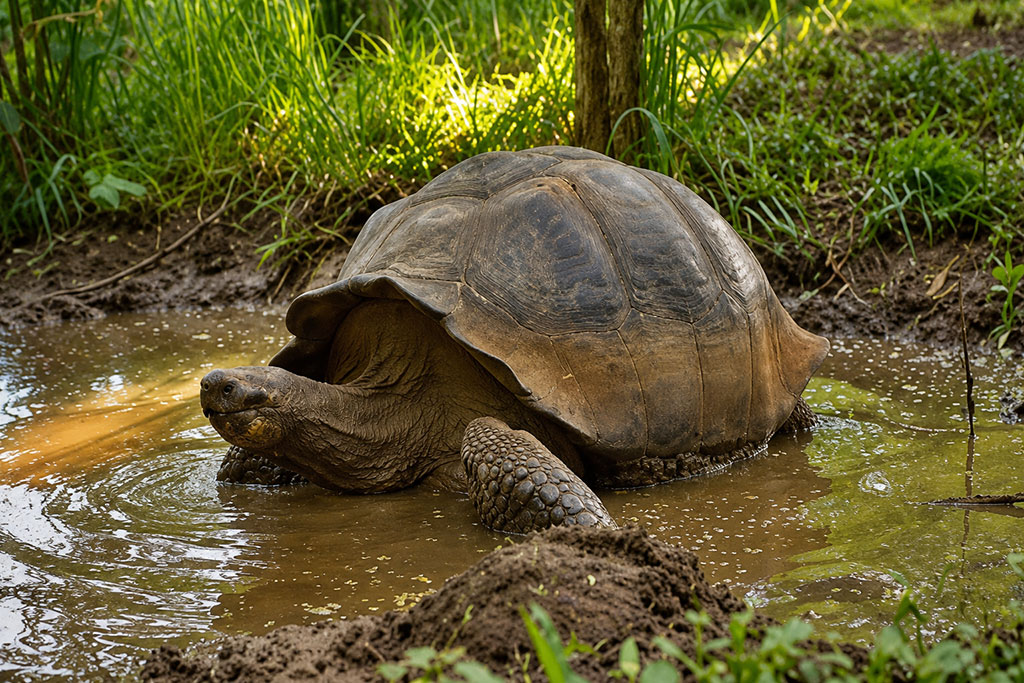
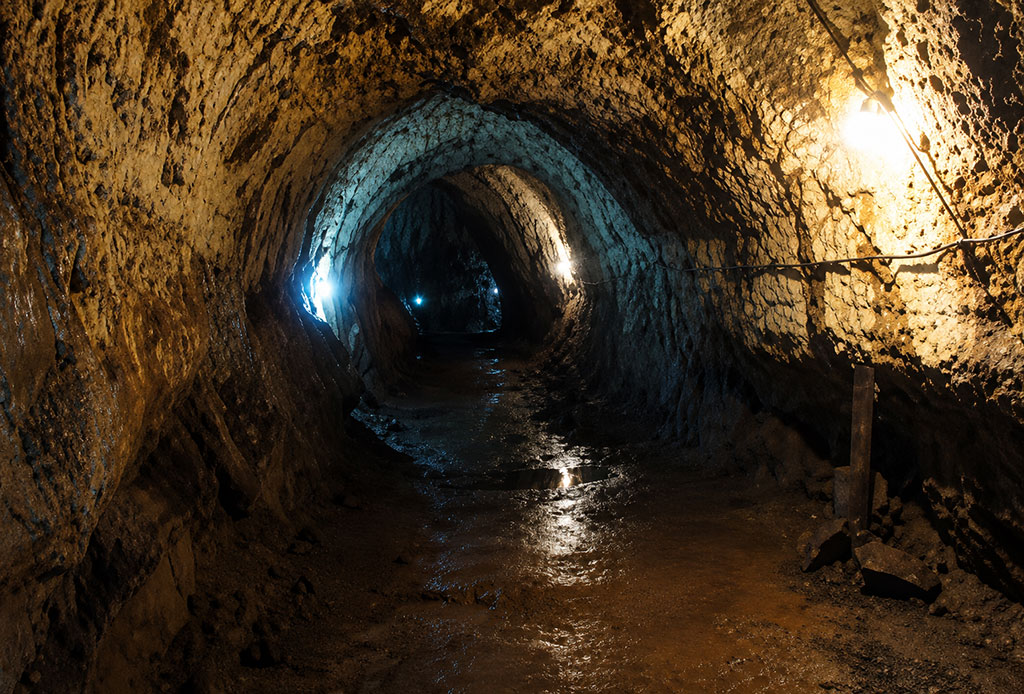
Day 1: Arrive to Baltra visit Rancho Tortugas and Lava Tunnels
Tortugas Ranch
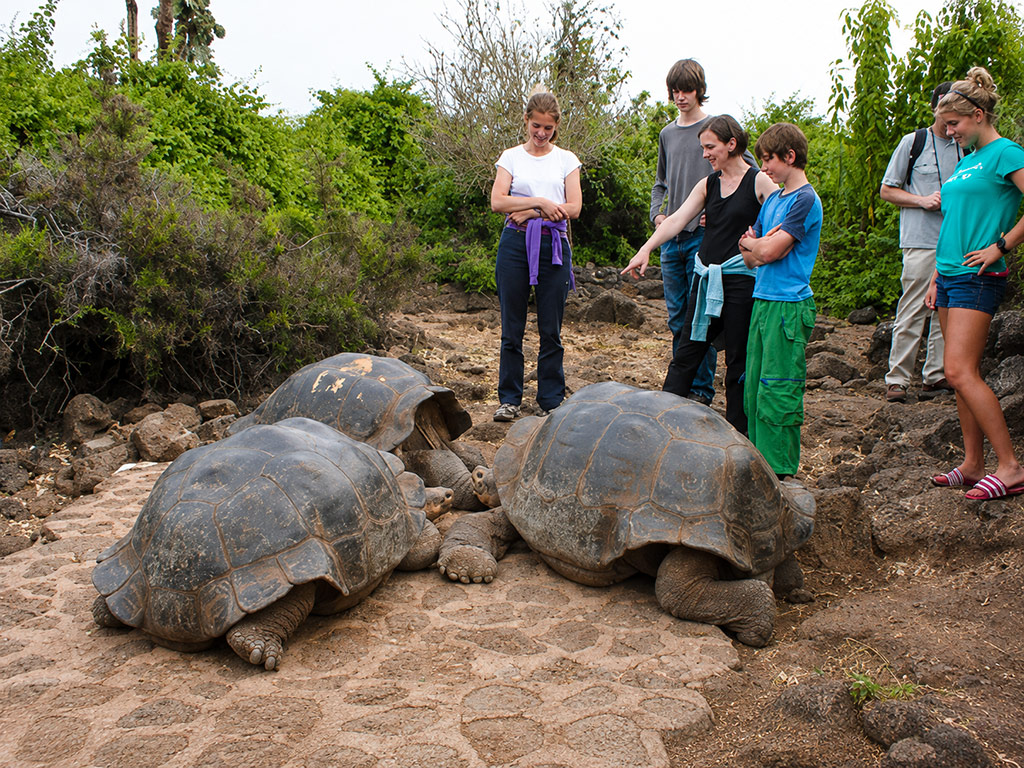
Transfer on the way to the city of Puerto Ayora, you will go to visit the Ranch where the giant tortoises of Santa Cruz Island are found in a natural habitat. – Here you can learn about the endemic vegetation. – Lava lizard, finches, owls, and of course giant tortoises.

Lava Tunnels
Located southwest of the city of Santa Rosa, these tunnels were formed when molten lava flowed through subway channels, leaving behind impressive tunnels that are now a popular tourist attraction. You can visit these tunnels, but be sure to bring a flashlight. If you are looking for an unforgettable experience during your stay in the Galapagos, be sure to visit the lava tunnels!

- Birds
- Fauna
- Flora
AVES / BIRDS
NOMBRE COMUN NOMBRE CIENTIFICO NOMBRE INGLES
Gallareta neocrex eryhops Paint-billed Crake
Gallinula gallinule chloropus Moorhen
Garza Bueyera Bobulcus ibis cattle egret
Pachay Laterallus spilonotus Galapagos Rail
Patillo Anas Bahamensis galapagnsis White-cheeked Pintail
Sormomujo Podilymbus podiceps Pied Billed Grebe
Pajaro brujo Pyricephalus rubinus Tyrant Flycatcher
FAUNA
NOMBRE COMUN NOMBRE CIENTIFICO NOMBRE INGLES
Tortuga Gigante Geochelone porten Galápagos Tortoise
FLORA
NOMBRE COMUN NOMBRE CIENTIFICO NOMBRE INGLES
Chala Croton scoulen Galápagos croton
Guayabillo Psidum Galapageium guayabillo
Helecho acuatico Azolla microphylla Water ferm
Lechoso Scalesia cordata Heart-leafed scalesia
Lechoso Scalesia incisa scalesia
Manzanillo Hippomane mancinella Poison Apple
Matazarno Pisonia floribunda Galapagos pisonia
Rodilla de caballo clerodendron molle Glorybower
Day 2: Pinzón SIland (Snorkel)
The Pinzon Island Tour in Galapagos departs from Santa Cruz Island early in the morning. Our guide will pick you up at your hotel and take you by car to the Itabaca Channel in the north of Santa Cruz Island. From there, we will start the navigation to Pinzon Island in Galapagos.
Penguin Bay
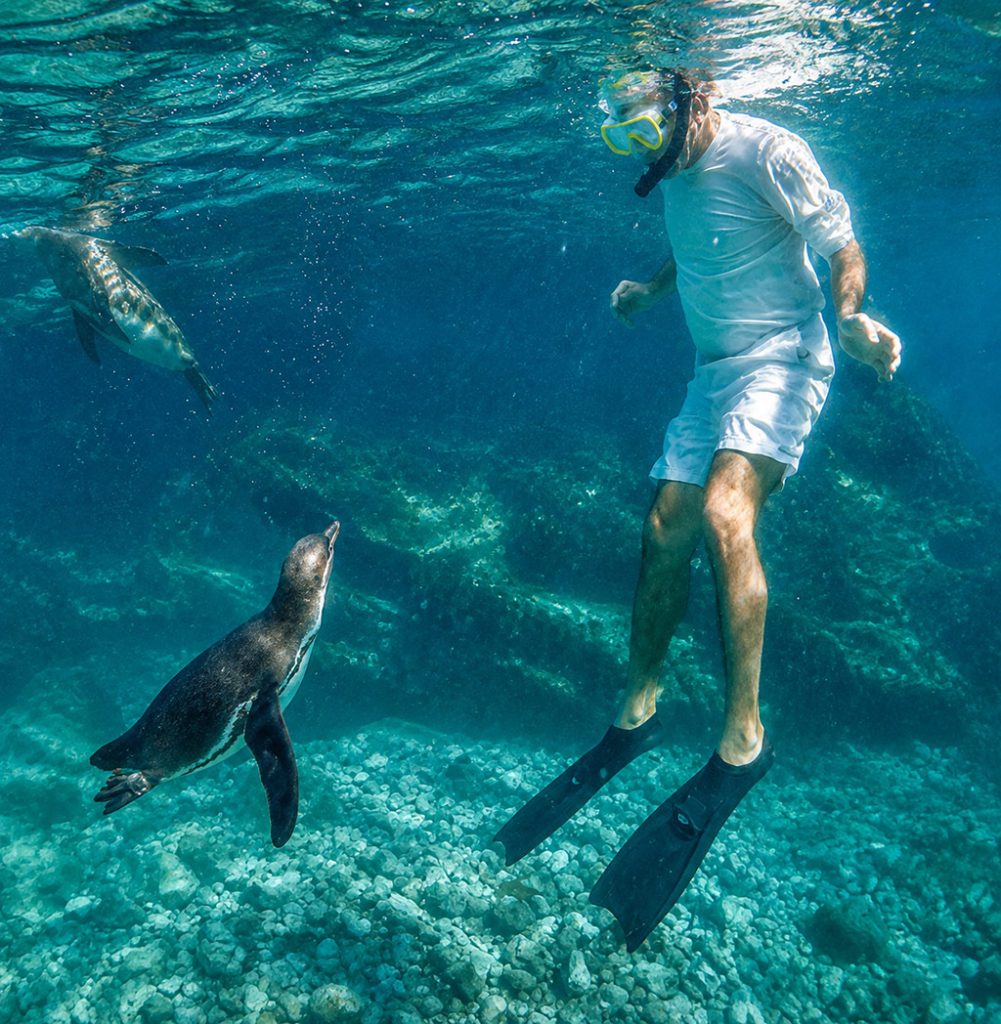
After an hour of navigation we arrive at the first stop called Penguin Bay where you will be able to see Galapagos sharks, sea turtles and lots of marine life up close. As the name suggests, at this point it is likely to see penguins (although it is not always the case) especially at the time when Galapagos
temperatures drop and the waters are a little colder than usual. It is also very common to see many different colored fish.
After the tour and snorkeling we make a brief stop to enjoy the included lunch and drinks to have enough energy to continue with the tour.

Day 3: Floreana Island / Enderby Islet / Punata Cormorant (Snorkel)
Enderby Islet is a small natural treasure located north of Floreana Island, in the Galapagos archipelago. This islet is recognized for being an important seabird sanctuary. When you visit, you will find yourself surrounded by abundant avian life, where blue-footed boobies dominate the scene with their striking colors and elegant flights. His presence is simply fascinating.
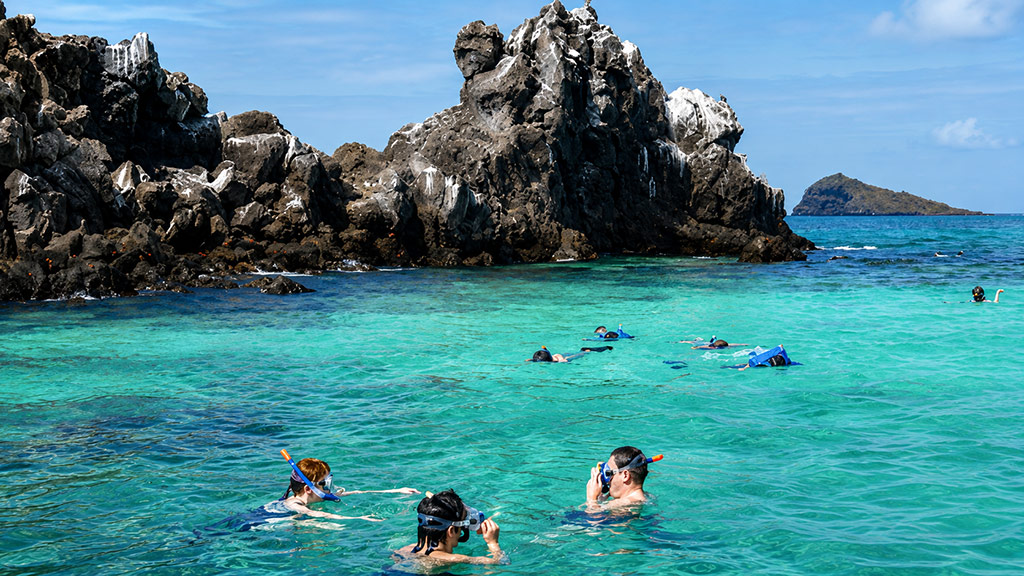
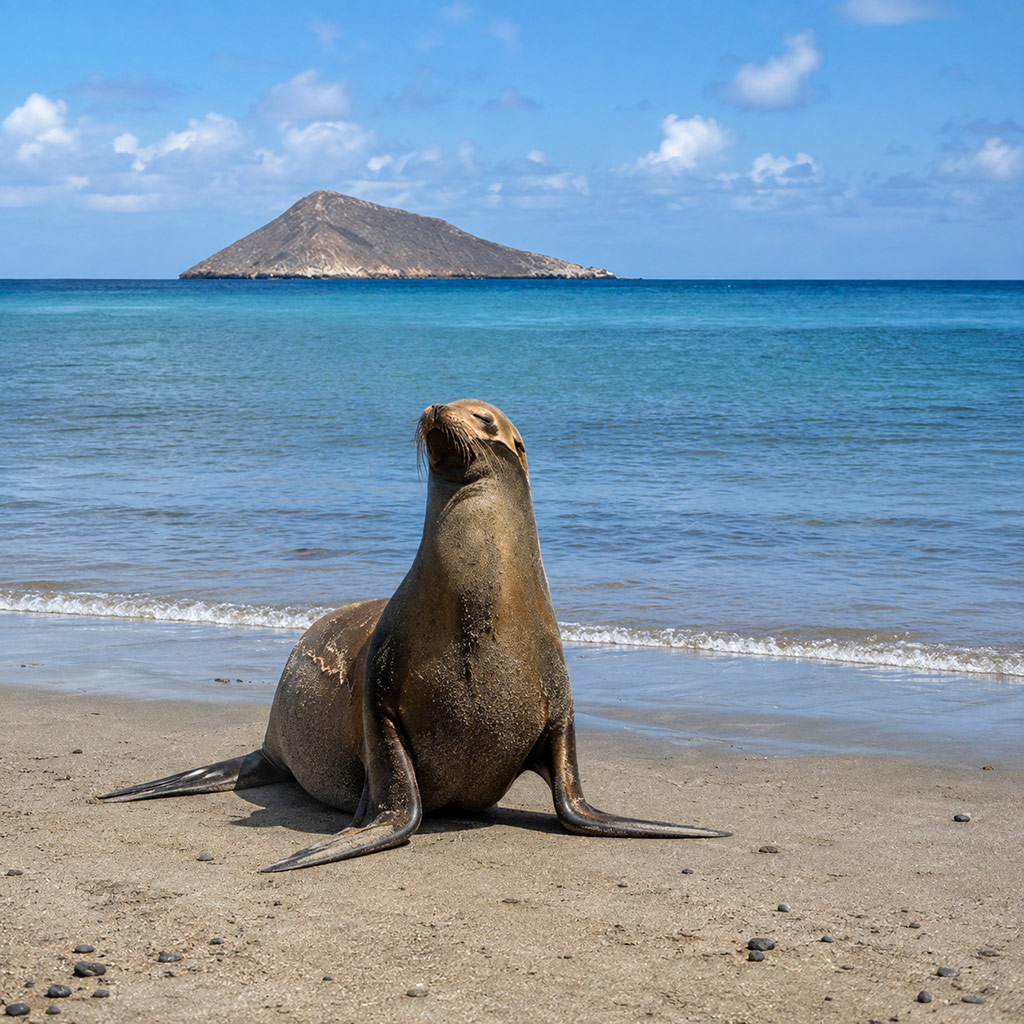
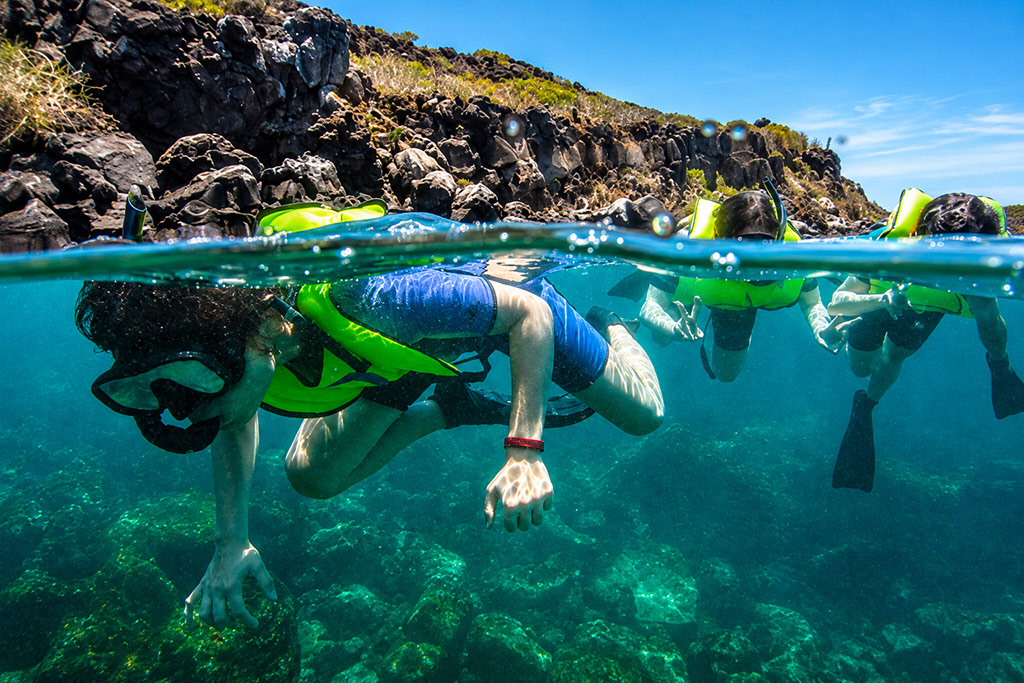
One of the main attractions of Punta Cormorant is its white sand beach, which creates an idyllic setting to relax, sunbathe and enjoy the coastal scenery. The crystal-clear waters invite you to swim and practice water activities such as snorkeling, where it is possible to explore the coral reefs and admire a wide variety of fish.
Near the beach is the well-known “Laguna de los Flamingos”, a saltwater lagoon that is home to a colony of pink flamingos. Observing these elegant birds in their natural habitat is a captivating experience and an opportunity to appreciate the beauty and grace of these iconic birds
- Birds
- Fauna
- Flora
AVES
NOMBRE COMUN NOMBRE CIENTIFICO NOMBRE INGLES
Flamenco phoenicopterus ruber greater flamingo
Patillo Anas bhamensis galapagensis White-cheeked Pintail
Chorlitejo charadrius semipalmatus semi-palmated plover
Tero real himantopus himantopus black-necked
Zarapito numenius phaeopus whimbrel
FAUNA
NOMBRE COMUN NOMBRE CIENTIFICO NOMBRE INGLES
Tortuga marina Chelonia mydas Galapagos Green turtle
FLORA
NOMBRE COMUN NOMBRE CIENTIFICO NOMBRE INGLES
Alfombra de Galápagos Sesuvium edmonstonei Galápagos carpetweed
Espino Scutia spicata Thorn shrub
Mangle Negro Avicennia germinans black mangrove
Monte salado Cryptocarpus pyriformis Salt bush
Arranyancillo maytenus octogona leatherleaf
Palo santo crytocarpus pinformis salt bush
Scalesia scalesia villosa longhaired scalesia
Leocarpus leocarpus darwinii curve spined leocarpus
Day 4: Transport to ISABELA ISLAND Recommended activity Flamenco Lagoon And Visit the Wetlands breeding center
Did you know that the flamingos of Isabela Island come from the American continent and established their habitat here? With this visit to the Flamingo Lagoon we will get to know one of the natural enclaves chosen by these majestic birds of pink plumage.

- Birds
- Fauna
- Flora
AVES / BIRDS
NOMBRE COMUN NOMBRE CIENTIFICO NOMBRE INGLES
Canario María Dendroica petechia Yellow Warbler
Cucuve de Galápagos Mimus parvulus Galápagos monckingbird
Gaviota de lava Larus fuliginosus Lava Gull
Pinzon de tierra pequeño Geopiza fuliginosa Small Ground Finch
Pinzon de tierra grande Geopiza magnirostris large Ground Finch
Pinzon de tierra mediano Geopiza fortis Medium Ground Finch
Pinzon de Cactus Geopiza scandens Cactus Finch
Piquero patas azules Sula nebouxii Blue footed Boobie
Ostrero Haematopus palliatus American Oystercatcher
Playero Comun Calidris alba Sanderling
FAUNA
NOMBRE COMUN NOMBRE CIENTIFICO NOMBRE INGLES
Iguana Marina Amblyrhnchus critatus Marine Iguana
FLORA
NOMBRE COMUN NOMBRE CIENTIFICO NOMBRE INGLES
Monte salado Cryptocarpus pyriformis Salt bush
Mangle botón Conocarpus ercta Button mangrove
Mangle blanco laguncularia recemosa white mangrove
Mangle negro Avicennia Germinans Black mangrove
Mangle rojo Rhizophora mangle red mangrove
Arrayancillo Maytenus octogona Leatherleaf
Sesivium de Galapagos Sesuvium edmonstonei Galapagos Carpetweed
Algarrobo Proposis juliflora Mesquite
Tuna Opuntia echios var. Unermis Prickly pear cactus
Cacto candelabro Jasminocereus thouarsi Candelabra cactus
Day 5: Islet Las Tintoreras (Snorkel)
ISABELA KAYAK TINTORERAS ISLET
What Las Tintoreras lacks in size, it more than makes up for in tourist experience! For visitors to Isabela Island, this is a national park that deserves serious consideration in your travel itinerary. Famous for white tip reef sharks basking in shallow waters, Tintoreras is also home to a large population of marine iguanas and much more Galapagos wildlife. There are also enough activities to keep everyone happy, from hiking to snorkeling to kayaking.

- Birds
- Fauna
- Flora
AVES / BIRDS
NOMBRE COMUN NOMBRE CIENTIFICO NOMBRE INGLES
Canario maría dendroica petechia yellow warbler
Fragata común fragata minor great frigatebird
Pelicano café pelecanus occidentalis urinator Brown pelica
Pingüinos de galápagos Sphenicus mendiculus galapagos penguin
Pinzón de tierra grande geosptiza magnirostris large ground finch
Pinzón de tierra mediano geosptiza fortis médium ground finch
Pinzón de tierra pequeño geospiza fuliginosa small ground finch
Piquero de patas rojas sula sula red-footed boobie
FAUNA
NOMBRE COMUN NOMBRE CIENTIFICO NOMBRE INGLES
Tiburón tintoreras trianodon obesus whitetip reef shark
Tortuga marina chelonia mydas galapagos Green turtle
Iguana marina amblyrhynchus cristatus Marine Iguana
Lobo marino de galápagos Zalophus wollebecki Galápagos sea lion
FLORA
NOMBRE COMUN NOMBRE CIENTIFICO NOMBRE INGLES
Arrayancillo Maytenus octogona Leatherleaf
Monte salado Cryptocarpus pyriformis Salt bush
Mangle botón Conocarpus ercta Button mangrove
Mangle blanco laguncularia recemosa white mangrove
Nolana nolana galapagensis galapagos clubleaf
Day 6: Isabela Island visits Marine Tunnels (Snorkel)
VISIT MARINE TUNNELS
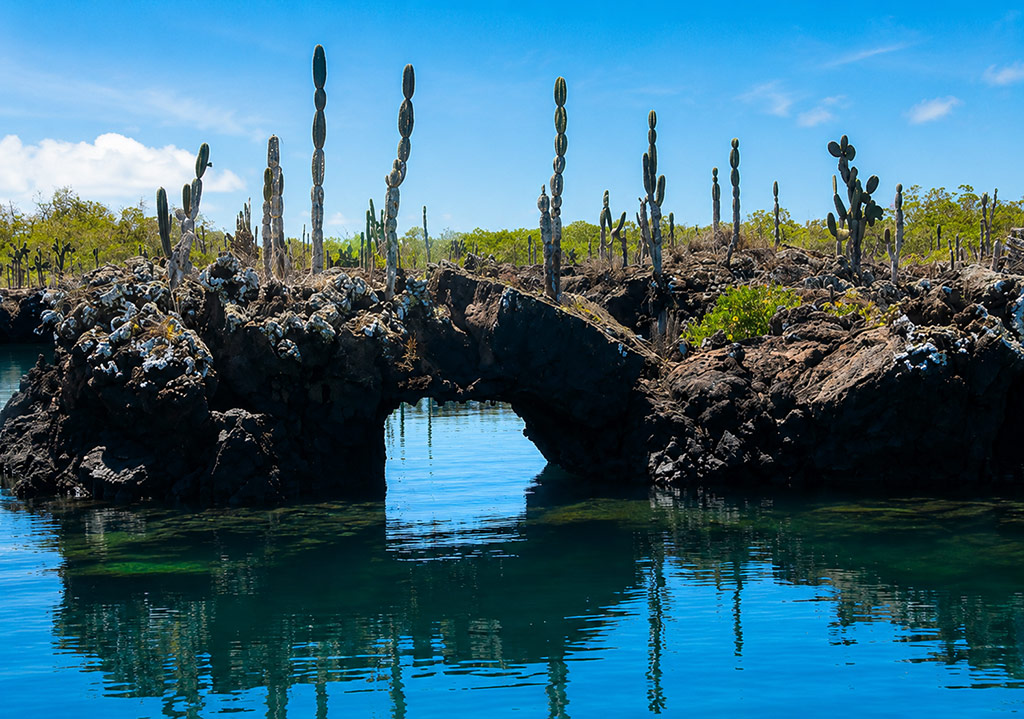
After spotting the boobies, we will continue sailing for 45 minutes to Los Tuneles. These tunnels are formations that were created due to a volcanic eruption in Galapagos, creating spectacular arches that create a beautiful landscape. We will walk through these formations accompanied by a bilingual naturalist guide who will explain in detail the particularities of the place.
- Birds
- Fauna
- Flora
AVES / BIRDS
NOMBRE COMUN NOMBRE CIENTIFICO NOMBRE INGLES
Canario María Dendroica petechia Yellow Warbler
Cucuve de Galápagos Mimus parvulus Galápagos monckingbird
Gaviota de lava Larus fuliginosus Lava Gull
Pinzon de tierra pequeño Geopiza fuliginosa Small Ground Finch
Pinzon de tierra grande Geopiza magnirostris large Ground Finch
Pinzon de tierra mediano Geopiza fortis Medium Ground Finch
Pinzon de Cactus Geopiza scandens Cactus Finch
Piquero patas azules Sula nebouxii Blue footed Boobie
Ostrero Haematopus palliatus American Oystercatcher
Playero Comun Calidris alba Sanderling
FAUNA
NOMBRE COMUN NOMBRE CIENTIFICO NOMBRE INGLES
Iguana Marina Amblyrhnchus critatus Marine Iguana
FLORA
NOMBRE COMUN NOMBRE CIENTIFICO NOMBRE INGLES
Monte salado Cryptocarpus pyriformis Salt bush
Mangle botón Conocarpus ercta Button mangrove
Mangle blanco laguncularia recemosa white mangrove
Mangle negro Avicennia Germinans Black mangrove
Mangle rojo Rhizophora mangle red mangrove
Arrayancillo Maytenus octogona Leatherleaf
Sesivium de Galapagos Sesuvium edmonstonei Galapagos Carpetweed
Algarrobo Proposis juliflora Mesquite
Tuna Opuntia echios var. Unermis Prickly pear cactus
Cacto candelabro Jasminocereus thouarsi Candelabra cactus
Day 7: Volcan Sierra Negra, afternoon return to Santa Cruz Island (3pm)
Galapagos is one of the most active volcanic regions on the planet. Therefore, no trip would be complete without a volcanic adventure. Look no further than the spectacular Sierra Negra Volcano on Isabela Island. Not only does Sierra Negra Volcano boast one of the largest craters in the world, but the Sierra Negra hike is also one of the most popular hikes in Galapagos. This is definitely a volcano that should be on your Galapagos bucket list!

- Birds
- Flora
AVES / BIRDS
NOMBRE COMUN NOMBRE CIENTIFICO NOMBRE INGLES
Canario María Dendroica petechia Yellow Warbler
Cuchillo Cocyzus melacoryphus Dark billed Cuckoo
Cucuve de Galápagos Mimus parvulus Galápagos monckingbird
Gavilán de Galapagos Buteo galapagensis Galapagos Hawk
Pajaro brujo Pyricephalus rubinus Tyrant Flycatcher
Papamoscas Mylarchus magnirostris Galapagos Flycatcher
Pinzon de arbol grande Camarhynchus pisitacula Large tree finch
Pinzon de tierra pequeño Geopiza fuliginosa Small Ground Finch
Pinzon de tierra grande Geopiza magnirostris large Ground Finch
Pinzon de tierra mediano Geopiza fortis Medium Ground Finch
Pinzon de árbol pequeño Camarhynchus parvulus Small tree Finch
FLORA
NOMBRE COMUN NOMBRE CIENTIFICO NOMBRE INGLES
Darwinothamus Darwiniothamnus ssp Thin-leafed Darwin s shrub
Guallabillo Scalesia pedunculata Tree scalenia
Lechoso Scalesia cordata Heart-leafed scalesia
Helecho arbóreo de galapagos chyatea weatherbyana galapagos tree fern
Margarita de Darwin darwiniothmnus tenuifolius thin-leafed Darwin shrub
Pega pega pisonia floribunda Galapagos pisonia
Turnefortha tumefortia rufo-sericea red-haired tournefortia
Jaboncillo sapindus saponaria jaboncillo
Day 8: Santa Fe (Snorkel)
SANTA FE ISLAND
Santa Fe Island was formed by lava flows that emerged under the sea and were subsequently uplifted (although recent evidence suggests later subaerial activity). The island, 24 square kilometers, is crossed by a series of parallel reefs formed by fault activity. This island has lava that is 3.9 million years old, making it the oldest island in the archipelago. Santa Fe offers one of the most beautiful and protected bays of the islands. Its turquoise lagoon is protected by a peninsula of islets that form an ideal anchorage.
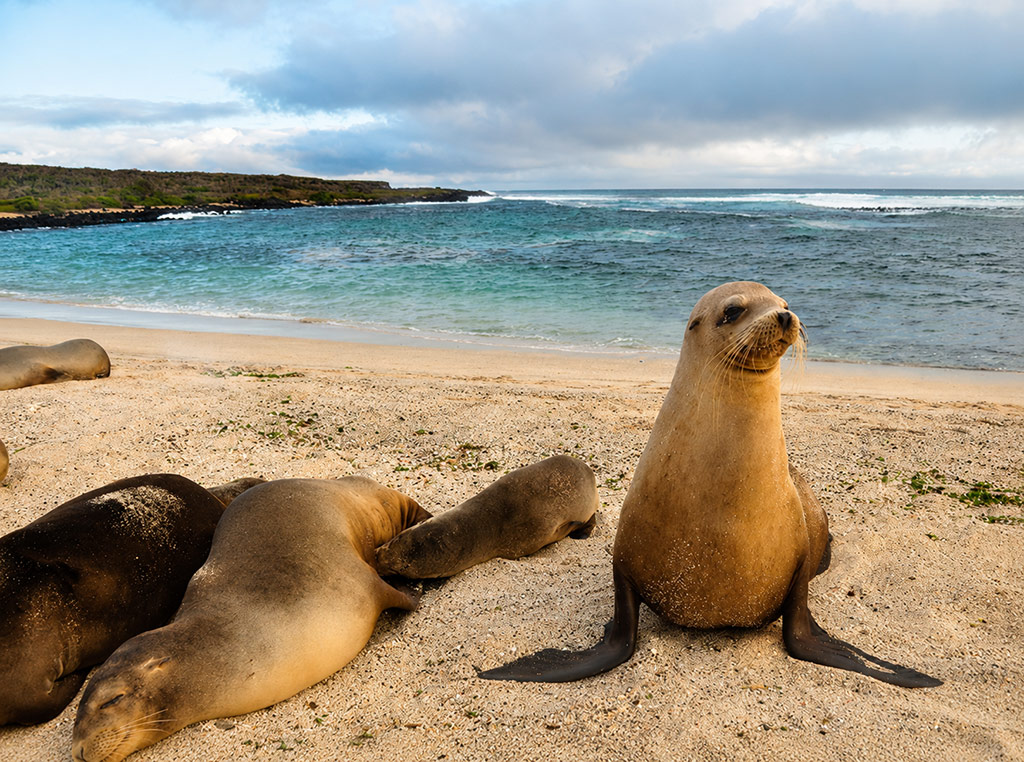
A wet landing on a white sand beach brings visitors in contact with one of the many sea lion colonies. Males fight for the right to own the beach, while smaller males pose as females to indirectly mate. Galapagos hawks are often easy to approach, high in the salt bushes, and an uphill trail leads to the cliffs, where dense thickets remain on the inland side. The cliff edge offers an expansive view of the ocean. The giant cactus lives up to its name with its tree trunks. Beneath the cacti, some of which are subspecies endemic to the island, are endemic species of land iguanas waiting in the shade of falling flowers or fruit to become a delicious part of their diet.

Day 9: Transport to San Cristobal Island visit Lobería BEach wetlands breeding center / Punta Carola / Tijeras (Snorkel)
Playa La Lobería is a tourist site on San Cristóbal Island, one of the main islands of the Galapagos archipelago. The place is famous, as its name indicates, for being an area where visitors can observe and get close to a large colony of sea lions, one of the emblematic species of the Galapagos Islands.
Sea lions are quite curious and are generally not afraid to approach humans, which gives tourists the opportunity to enjoy close encounters and observe their behavior in their natural environment.
- Birds
- Fauna
- Flora
AVES / BIRDS
NOMBRE COMUN NOMBRE CIENTIFICO NOMBRE INGLES
Canario María Dendroica petechia Yellow Warbler
Fragata comun Fragata minor Great Frigatebird
Pinzon de Cactus Geopiza scandens Cactus Finch
Pinzon de tierra pequeño Geopiza fuliginosa Small Ground Finch
Pinzon de tierra mediano Geopiza fortis Medium Ground Finch
Pinzon vegetariano Platyspiza crassirostris Vegetarian Finch
FAUNA
NOMBRE COMUN NOMBRE CIENTIFICO NOMBRE INGLES
Tortuga marina Chelonia mydas Galapagos Green tourtle
Iguana marina amblyrhynchus cristatus Marine Iguana
Lobo marino de galapagos Zalophus wolleback Galapagos sea lion
FLORA
NOMBRE COMUN NOMBRE CIENTIFICO NOMBRE INGLES
Mangle botón Conocarpus ercta Button mangrove
Mangle blanco laguncularia recemosa white mangrove
Alfombra de Galapagos Sesuvium edmonstonei Galapagos carpetweed
Cacho de chivo Tribulus cistoides Puncture weed
Monte salado Cryptocarpus pyriformis Salt bush
Arrayancillo Maytenus octogona Leatherleaf
Chala Croton scouleri Galapagos crotón
Cola de escorpión Heliotropium curasavicum Scorpion weed
Tiquilla tiquilla galapagoa Gray matplant
Day 10: Punta Pitt - Bella Sardina - Kicker Rock (Snorkel)
Immerse yourself in one of the most biodiverse places in Galapagos.
Snorkel at Kicker Rock with hammerhead sharks, sea lions and manta rays.
See birds such as Nazca boobies, blue-footed boobies and frigate birds.
Our Galapagos Sleeping Lion Tour ends the snorkeling adventure with a relaxing walk on one of the nearby uninhabited beaches.

- Birds
- Fauna
AVES / BIRDS
NOMBRE COMUN NOMBRE CIENTIFICO NOMBRE INGLES
Fragata comun Fragata minor Great Frigatebird
Piquero patas azules Sula nebouxii Blue footed Boobie
Tero real Himantopus himantopus Black-necked
Vuelve piedras arenaira interpres Ruddy Turnstone
Zarapito Numenius phaeopus Whimbrel
Chorlitejo Charadrius semipalmatus Semi-palmated Plover
FAUNA
NOMBRE COMUN NOMBRE CIENTIFICO NOMBRE INGLES
Lobo marino de galápagos Zalophus wollebaeki Galápagos Sea Lion
Iguana marina amblyrhnchus cristatus marine iguana
Day 11: Junco Lake / Puerto Chino / Galapaguera (Snorkel)
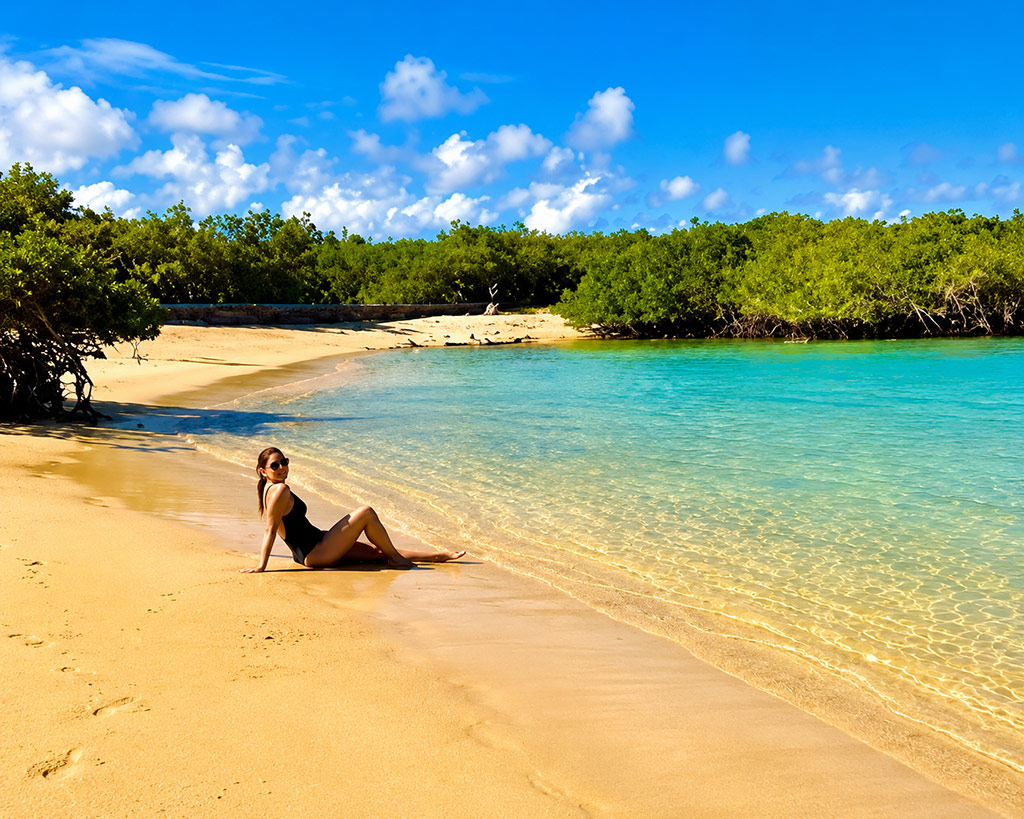
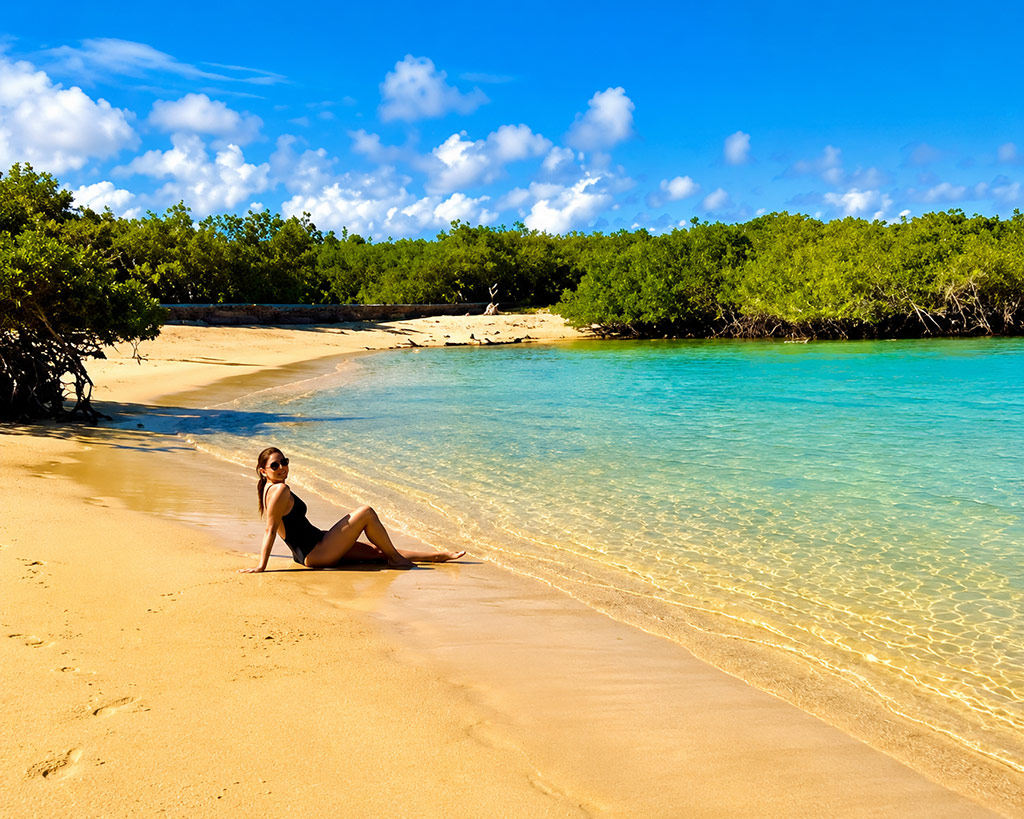
On this full-day trip, we will take you on a journey to discover the hidden gems of San Cristobal. Get ready to dive into the beauty of El Junco Lagoon, witness the remarkable Galapaguera, and relax on the picturesque shores of Puerto Chino. El Junco Lagoon, nestled in the highlands of San Cristobal Island, is a sanctuary of serenity. Surrounded by lush vegetation, this dormant volcanic crater lake offers a mesmerizing view and serves as a haven for an incredible array of bird species. Next, we venture to Galapaguera, a haven for giant tortoises. Learn about their natural habitat, conservation efforts, and the strides being made to protect these giant animals. Lastly, we make a stop in Puerto Chino, a hidden paradise on the island. With its pristine white sand beach and turquoise waters, this secluded spot offers a perfect retreat for relaxation.

Day 12: Ferry 7 am. to Santa Cruz Island
Free day to enjoy and relax time, affternoon playa de los alemanes and Charles Darwin Station
Day 13: Bartolome Island (Snorkel)
The island’s biggest attraction is known as Pinnacle Rock. This is a huge black lava formation at the edge of the ocean that has eroded over time. Here you can see the Galapagos penguin, sea lions, sea turtles, flamingos, Galapagos hawks and migratory birds.
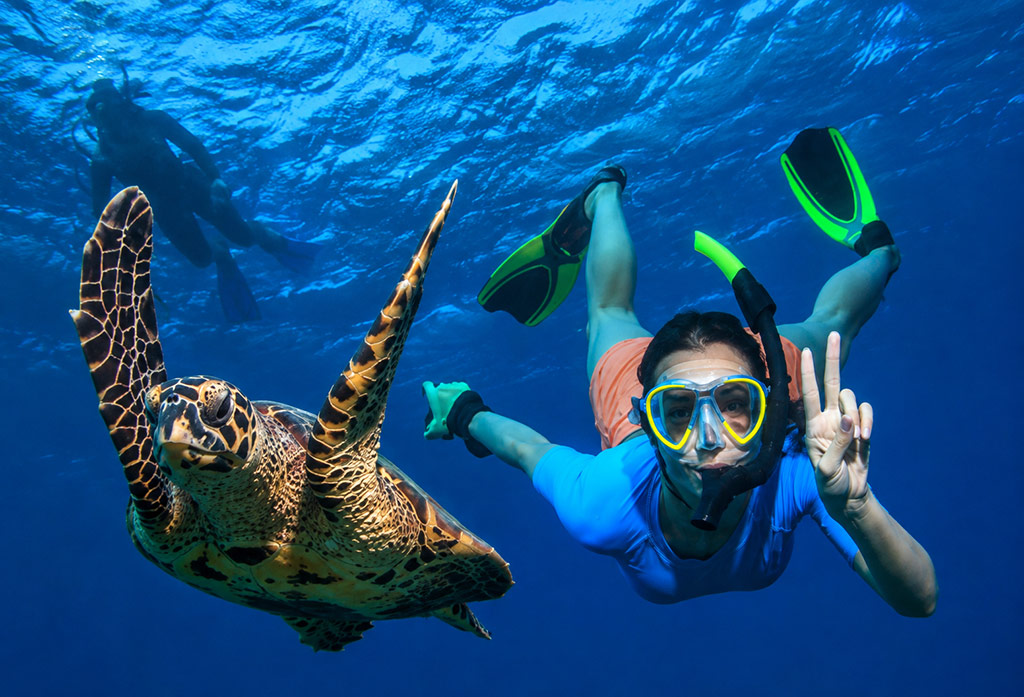

As you climb the steps leading to the viewing point, from where you have a spectacular view of the two bays, you can see interesting lava formations and cinder cones and one of the most representative landscapes of the Galapagos Islands. The hike is a fantastic experience, as it takes you through recent volcanic eruptions and a landscape reminiscent of the surface of Mars.
Day 14: Plazas Island (Snorkel)
We will depart from Puerto Ayora for a 45-minute journey to the Itabaca channel, where we will board a boat to sail to South Plaza.
South Plaza is a small island located at the east of Santa Cruz. It has a 0.13 km square area and a maximum height of 23 meters. In spite of its small size, this island is known for its variety of species that inhabit it, and its unmistakable flora, made up especially of the endemic plant Sesuvium, which turns red at different times of the year.
We will depart from Puerto Ayora for a 45-minute journey to the Itabaca channel, where we will board a boat to sail to South Plaza.
South Plaza is a small island located at the east of Santa Cruz. It has a 0.13 km square area and a maximum height of 23 meters. In spite of its small size, this island is known for its variety of species that inhabit it, and its unmistakable flora, made up especially of the endemic plant Sesuvium, which turns red at different times of the year.

Day 15: Visit the Twins Craters / Tansfer out
In the highlands of Santa Cruz Island, in the Galapagos Archipelago, Ecuador, there are two large depressions of volcanic material called Los Gemelos, on the Puerto Ayora-Itabaca Channel road. They are so called because they are formations that are located opposite each other, separated only by a road.

- Birds
- Flora
AVES / BIRDS
NOMBRE COMUN NOMBRE CIENTIFICO NOMBRE INGLES
Pajaro brujo Pyricephalus rubinus Tyrant Flycatcher
Pinzón de árbol grande Camarhynchus pisitacula Large tree finch
Pinzon artesano Camarhynchus pallidus Woodpecker Finch
Pinzon cantor Chertidea olivacea Warbler Finch
Pinzon de Tierra pequeño Geopiza fuliginosa Small Ground Finch
Pinzon de Tierra grande Geopiza magnirostris large Ground Finch
Pinzón de tierra mediano Geopiza fortis Medium Ground Finch
Pinzón de árbol pequeño Camarhynchus parvulus Small tree Finch
Pinzón vegetariano Platyspiza crassirostris Vegetarian Finch
FLORA
NOMBRE COMUN NOMBRE CIENTIFICO NOMBRE INGLES
Guayabillo Psidium Galapageium guayabillo
Lechoso Scalesia pedunculata tree scalesia
Monte Colorado Altermanthera halimifolia Chaff flower
Darwinothamus darwinothamus tenuifolius Thin-leafed Darwinsshrub
Peperomia peperomia galapagensis galapagos peperomia
Polygonum Poligonum galapaguense galapagos knotweed
INCLUDES
- TRANSFER IN / OUT GALAPAGOS
- ACOMODATION IN HOTEL WITH PRIVATE BATHROOM / DOUBLE ROOM
- BREAKFAST / LUNCH
- TOURS ACCORDING TO ITINERARY
DOES NOT INCLUDE
- AIR TIKET QUITO – GALAPAGOS - QUITO
- DINNERS / EXTRA MEALS
- ALCHOLIC BEVERAGES
- EXTRA EXPENSES
- TIPS
- TAX 20 USD QUITO AIRPORT / TAX GALAPAGOS 200 USD /TAX ISABELA 10 USD / OTHER EXPENCES 20 USD
TRANSFER OUT / AEROPUERTO
END OF OUR SERVICES